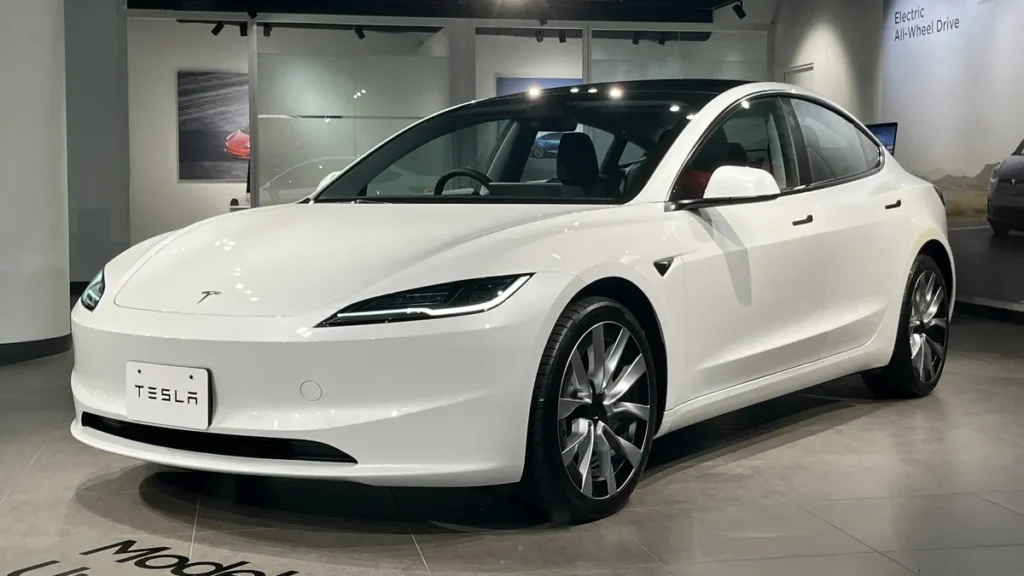
Quick answer: Out of warranty, replacing a Tesla Model 3 high-voltage battery typically costs $11,000–$18,000 for Standard Range and Rear-Wheel Drive versions and $15,000–$22,000 for Long Range and Performance versions, including labor. Most Model 3 owners never pay this, because the battery is covered for 8 years and degrades slowly.
The Model 3 battery pack is the most expensive part of the car, but real-world data shows that most packs keep around 85–90% of their original range after 100,000 miles or more. Before you worry about the cost, check your warranty and get a proper diagnosis.
Model 3 battery replacement cost at a glance
Estimates updated October 2026. Tesla does not publish official battery prices; ranges are based on reported Tesla Service quotes and independent EV shop invoices.
| Version | Pack type (typical) | Estimated replacement cost |
|---|---|---|
| Standard Range / RWD | LFP or NCA, about 54–60 kWh | $11,000 – $18,000 |
| Long Range | NCA/NMC, about 75–82 kWh | $15,000 – $22,000 |
| Performance | NCA/NMC, about 75–82 kWh | $15,000 – $22,000 |
| Remanufactured pack (Tesla or independent) | Same as original | Often $3,000–$6,000 less than new |
| Module or cell-level repair (independent EV shop) | Repairs one section of the pack | $2,000 – $7,000 |
The price includes the pack (the bulk of the bill), coolant, seals and about 4–8 hours of labor. Tesla may also install a remanufactured pack under warranty or as a paid repair.
What the Tesla Model 3 battery warranty covers
- Model 3 Rear-Wheel Drive / Standard Range: 8 years or 100,000 miles, whichever comes first.
- Model 3 Long Range and Performance: 8 years or 120,000 miles, whichever comes first.
- Capacity guarantee: Tesla promises at least 70% capacity retention during the warranty period. If the battery drops below that, it is covered.
- The warranty transfers to the next owner when you sell the car.
Coverage can differ by model year and market, so check the warranty for your VIN in your Tesla account or the official Tesla vehicle warranty page.
Signs of a failing Model 3 battery
- Warning messages such as “Maximum battery charge level reduced” or “Electrical system power reduced”.
- A sudden drop in range that is much larger than normal degradation.
- The car refuses to charge, or charging stops repeatedly.
- Error codes related to the battery management system (BMS), isolation faults or contactors.
Normal degradation is gradual: many cars lose 5–10% in the first few years and then flatten out. A sudden drop usually points to a fault, not wear.
Cheaper options than a new pack
- Warranty claim: if your car is within 8 years and the mileage limit, any defect or loss below 70% capacity should be covered.
- Remanufactured pack: Tesla often uses remanufactured packs for repairs, which can cost less.
- Independent EV specialists: a growing number of shops repair individual modules or replace contactors, fuses or the battery management board, often for a fraction of a full pack.
- Software and calibration: some “range loss” is actually an inaccurate range estimate. Driving the battery down and charging it fully can help the system recalibrate.
Is it worth replacing the battery on a Model 3?
A 2018–2020 Model 3 out of warranty may be worth $14,000–$22,000 depending on version and mileage. A $15,000 battery can be hard to justify on a car worth only slightly more, unless the rest of the car is in excellent condition and you plan to keep it many years. In that case, a module repair or remanufactured pack usually makes more sense. Run your numbers in our Repair or Replace Calculator.
How Model 3 maintenance compares to gas cars
Even with the risk of a battery replacement, EVs usually cost less to maintain. See our EV vs Gas Car Maintenance Costs: 5-Year Comparison.
Frequently asked questions
How long does a Tesla Model 3 battery last?
Most packs are expected to last 300,000–500,000 miles before reaching 70% capacity, based on owner-reported data. Few cars reach that point.
Does charging to 100% damage the battery?
Daily charging to 100% can speed up degradation on NCA/NMC packs. Tesla recommends a lower daily limit (often 80–90%) for those packs. LFP packs in some Standard Range cars can be charged to 100% regularly, as Tesla advises.
Does Tesla replace the whole battery under warranty?
Tesla decides whether to repair or replace. It may install a new or remanufactured pack that restores at least the capacity you had before the failure.
Sources
- Tesla: Vehicle Warranty
- Cost ranges based on reported Tesla Service quotes and independent EV repair shop prices published in 2025–2026.