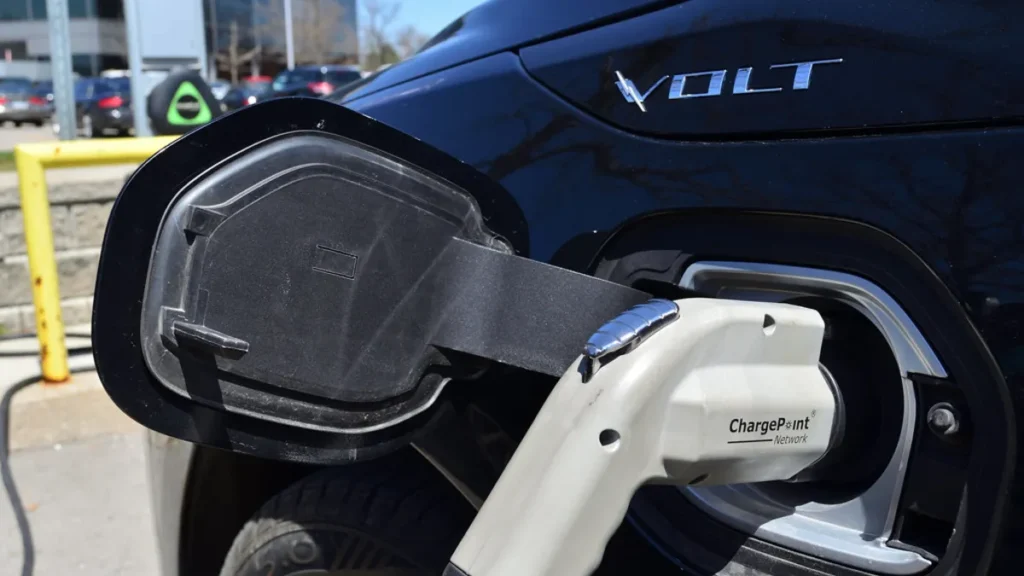
Quick answer: Over 5 years and 60,000 miles, routine maintenance on a typical electric car costs about $1,500–$2,000, compared with about $3,000–$3,800 for a similar gas car. Research by Argonne National Laboratory found EV maintenance costs about 6.1 cents per mile vs 10.1 cents for gas cars, roughly 40% less.
EVs have no engine oil, spark plugs, timing belt, exhaust system or multi-speed transmission to service. Regenerative braking also makes brake pads last much longer. But EVs aren’t maintenance-free: tires wear faster, and an out-of-warranty battery replacement can be expensive.
5-year maintenance cost comparison
Assumptions: 12,000 miles per year (60,000 miles total), compact or midsize car, independent shop prices, October 2026. Repairs and battery replacement not included.
| Maintenance item | Gas car (5 years) | Electric car (5 years) |
|---|---|---|
| Oil and filter changes (every 7,500 mi) | $500 – $700 | $0 |
| Tire rotations | $150 – $250 | $150 – $250 |
| One set of replacement tires | $600 – $900 | $800 – $1,200 |
| Brake pads (one axle) | $250 – $400 | $0 – $250 |
| Engine air filters | $80 – $150 | $0 |
| Cabin air filters | $100 – $200 | $100 – $200 |
| Brake fluid flush | $100 – $150 | $100 – $150 |
| Coolant / transmission fluid service | $250 – $450 | $0 – $150 |
| Spark plugs (if due by 60,000 mi) | $0 – $300 | $0 |
| 12-volt battery | $150 – $250 | $150 – $250 |
| Wipers, bulbs and inspections | $150 – $300 | $150 – $250 |
| Estimated total | $3,000 – $3,800 | $1,500 – $2,000 |
Your exact numbers depend on the model and your maintenance schedule, but most comparisons point the same way: an EV saves roughly $1,000–$2,000 over five years on routine maintenance alone.
Where EVs save money
- No oil changes: the single biggest recurring saving.
- Brakes last longer: regenerative braking does much of the stopping, so pads often last 100,000 miles or more.
- Fewer parts to fail: no fuel pump, exhaust, catalytic converter, timing belt or clutch.
Where EVs can cost more
- Tires: EVs are heavy and have instant torque, so tires often wear 10–20% faster, and EV-specific tires cost more.
- Battery outside warranty: rare in the first 8 years, but a replacement can cost $6,000–$20,000. See Tesla Model 3 Battery Replacement Cost and Nissan Leaf Battery Replacement Cost.
- Collision repairs: body and sensor repairs on EVs are often more expensive, which also affects insurance premiums.
- Fewer independent shops: some repairs are only available from the brand’s service centers.
What about hybrids?
Hybrids fall in between. They still need oil changes, but their brakes last longer and many components work less hard. A hybrid battery replacement is usually much cheaper than an EV battery; see How Long Do Hybrid Batteries Last?
Don’t forget fuel costs
Maintenance is only part of the picture. Charging at home is usually much cheaper per mile than gasoline, especially with an overnight electricity rate. If you’re planning to buy an EV, read Level 2 Home EV Charger Installation Cost.
Frequently asked questions
Do electric cars need any regular maintenance?
Yes: tire rotations, cabin air filters, brake fluid, wiper blades, coolant checks and the 12-volt battery. Follow the schedule in your owner’s manual.
Are EVs cheaper to own overall?
Often yes over 5+ years, thanks to lower fuel and maintenance costs, though purchase price, insurance and resale value vary by model.
Sources
- Argonne National Laboratory: Comprehensive Total Cost of Ownership Quantification for Vehicles with Different Size Classes and Powertrains
- U.S. Department of Energy: Maintenance and Safety of Electric Vehicles